Student Food Budget UK
Complete guide for UK students in 2026
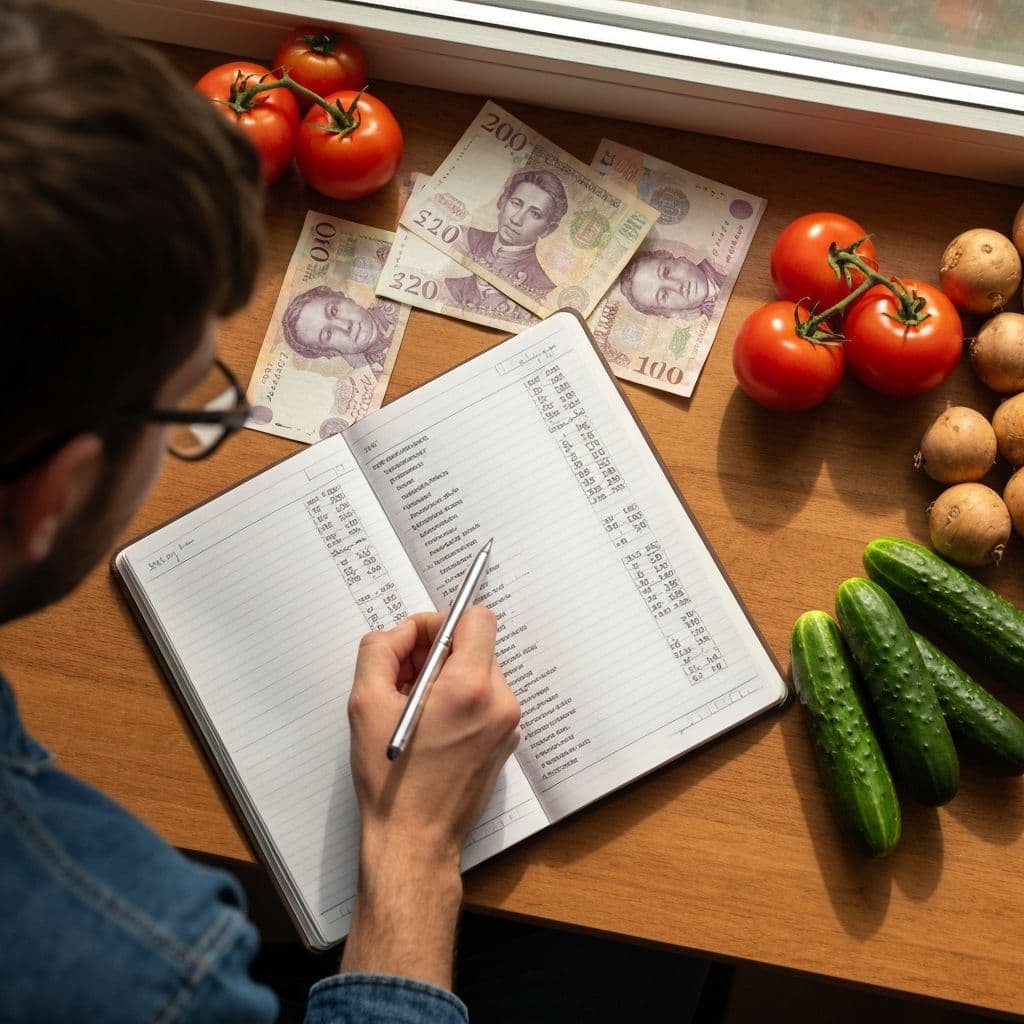
Managing a student food budget in the UK has become increasingly challenging in 2026. According to UK inflation data from the Office for National Statistics, food prices have continued to put pressure on student budgets. With 67% of UK students struggling with food costs and average weekly budgets ranging from £25-£40, understanding how to eat well without breaking the bank is essential. This comprehensive guide covers everything from budget breakdowns to meal planning strategies and modern AI solutions.
Data reflects UK student spending trends observed in late 2025 and early 2026.
Understanding Student Food Budgets in the UK
The UK government also highlights food affordability as a key part of the wider cost of living crisisaffecting households and students nationwide.
The average food costs for students in the UK have risen significantly due to inflation and the cost of living crisis. Most UK students spend between £25-£40 per week on food, with variations depending on location, dietary requirements, and shopping habits. Understanding these costs is the first step to managing your budget effectively.
Typical Weekly Budget Breakdown
- £25–£30 Budget: Learn how to eat on £30 a week as a studentBasic meals, limited variety, requires careful planning and budget supermarkets
- £30-£35 Budget: Balanced meals with some variety, sustainable for most students
- £35-£40 Budget: Comfortable budget allowing healthier options and occasional treats
- £40+ Budget: More flexibility for dietary preferences and convenience items
Where UK Students Shop for Food
Choosing the right supermarket significantly impacts your student food budget in the UK. Independent research from Which?regularly shows Aldi and Lidl as the lowest-cost supermarkets for everyday groceries in the UK. Budget supermarkets like Aldi and Lidl offer the lowest prices, while Tesco, Asda, and Sainsbury's provide more variety with loyalty schemes. Many students combine shopping at multiple stores to maximize savings.
UK Supermarket Price Comparison
Comparison based on typical UK student grocery baskets
| Supermarket | Relative Price | Student Strengths | Notes |
|---|---|---|---|
| Aldi | Very Low | Cheapest weekly essentials | Limited brands, best value |
| Lidl | Very Low | Produce, bakery, frozen food | Great short-term deals |
| Asda | Low | Large shops, online delivery | Good for bulk buying |
| Tesco | Medium | Clubcard discounts | Prices vary without Clubcard |
| Sainsbury’s | Medium–High | Quality own-brand | Best with Nectar offers |
| Morrisons | Medium | Fresh meat & veg | Market Street savings |
- Aldi & Lidl: Cheapest options, 10-15% lower prices than mainstream supermarkets
- Asda: Competitive pricing with wider product range and online delivery
- Tesco: Clubcard discounts can match budget supermarket prices
- Sainsbury's: Nectar points and quality own-brand products
- Morrisons: Good for fresh produce and market street deals
Common Mistakes with Student Food Budgets
- • Relying on expensive convenience foods — see cheap student meals in the UK
- • Shopping without a list or meal plan
- • Buying ingredients that go to waste
- • Not comparing supermarket prices
- • Ignoring loyalty card schemes and discounts
Many UK students overspend on food due to poor planning, impulse purchases, and food waste. Understanding these pitfalls helps you avoid them and stretch your budget further.
Top Budget Mistakes to Avoid:
- • Shopping without a list or meal plan
- • Buying ingredients that go to waste
- • Relying on expensive convenience foods
- • Not comparing supermarket prices
- • Ignoring loyalty card schemes and discounts
Smart Meal Planning for UK Students
Effective meal planning is the key to managing a student food budget in the UK. Planning meals weekly, creating shopping lists, and batch cooking can reduce costs by up to 30% while improving nutrition and reducing waste.
The NHS healthy eating guidance confirms that balanced meals can still be affordable with planning and home cooking.Weekly Meal Planning Strategy
- 1. Set Your Weekly Budget: Decide how much you can realistically spend
- 2. Check What You Have: Inventory existing ingredients to avoid duplicates
- 3. Plan 5-7 Meals: Simple recipes with overlapping ingredients
- 4. Create Shopping List: Only buy what you need
- 5. Track Spending: Monitor actual costs vs budget
How AI Meal Planning Helps UK Students
Modern AI meal planning for UK students automates the entire process using real-time supermarket prices. Tools like MUNCH analyze your budget, dietary preferences, and real UK supermarket prices to generate optimized meal plans and shopping lists in seconds — and the app is 100% free for UK students, with no subscriptions or hidden costs.
Be the First to Try MUNCH
100% free forever for UK students. Join the MUNCH waitlist and get early access when we launch. No spam, ever.
Budget-Friendly Shopping Tips
Beyond meal planning, smart shopping habits can significantly reduce your food costs as a UK student:
- • Shop After Meals: Avoid impulse buys when hungry
- • Use Loyalty Cards: Tesco Clubcard, Sainsbury's Nectar, etc.
- • Buy Own-Brand: Often identical quality at lower prices
- • Check Yellow Stickers: Discounted items near expiry
- • Buy in Bulk: Rice, pasta, frozen vegetables
- • Seasonal Produce: Cheaper and fresher
- • Compare Unit Prices: Best value per kg or liter
Reducing Food Waste on a Student Budget
Food waste is money wasted. UK students throw away an estimated £200-£300 worth of food per year. Proper storage, meal planning, and using leftovers creatively can eliminate waste and stretch your budget.
Food Waste Prevention Tips
- • Store food properly to extend shelf life
- • Freeze portions before they spoil
- • Use vegetable scraps for stock
- • Plan meals using existing ingredients first
- • Understand 'use by' vs 'best before' dates
- • Batch cook and portion for later meals
Conclusion: Taking Control of Your Student Food Budget
Managing a student food budget in the UK doesn’t mean sacrificing nutrition or eating boring meals. With strategic planning, smart shopping, and modern tools like AI meal planners, you can eat well for £25–£35 per week while reducing waste and stress. Start by setting a realistic budget, planning your meals weekly, and using a student meal planner to stay consistent.