How to Eat on £30 a Week as a UK Student
Practical meal plans, shopping strategies, and budget breakdowns to eat well on £30 per week using real UK supermarket prices.
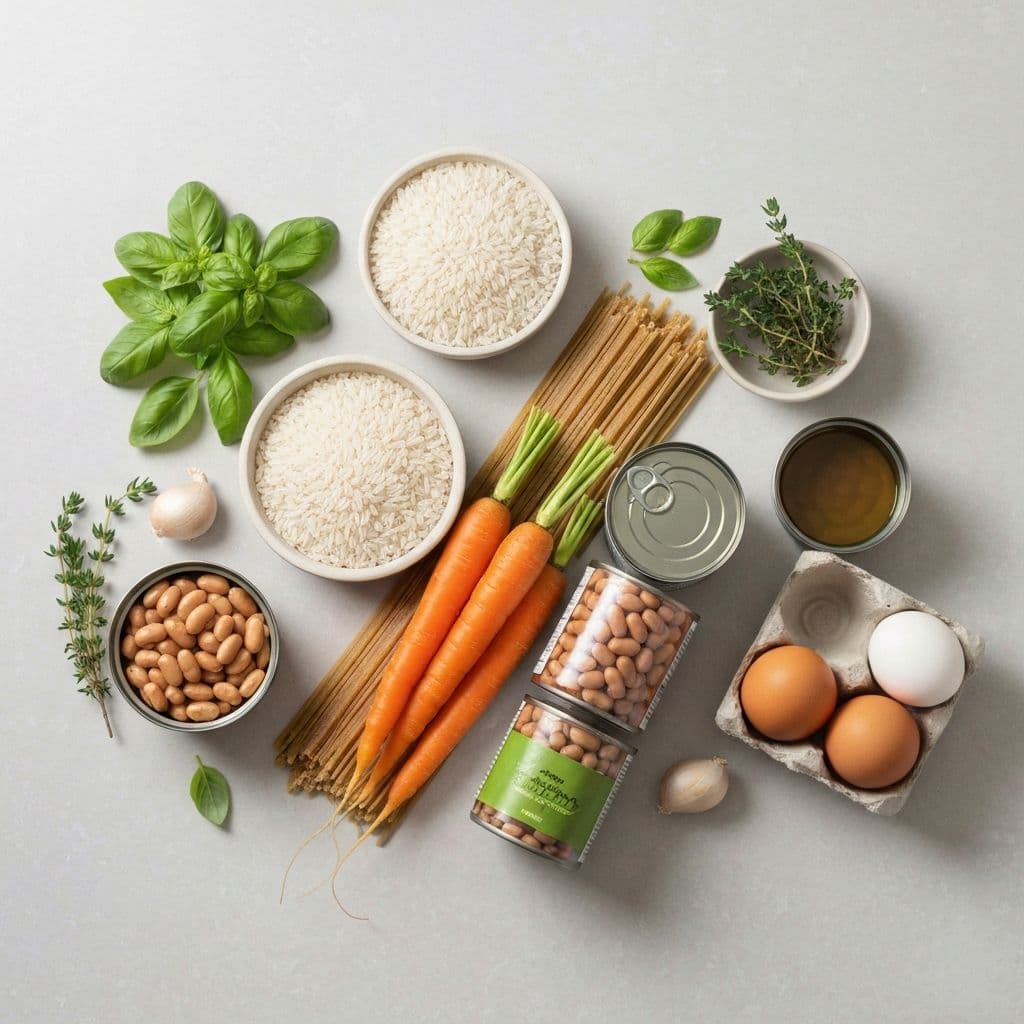
Eating on £30 a week as a student in the UK is challenging but absolutely possible with the right strategies. This guide shows you exactly how to plan meals, shop smartly, and make your budget stretch without sacrificing nutrition or taste.
Is £30 a Week Realistic for Students?
Yes, £30 per week is achievable for UK students, though it requires careful planning and smart shopping. This budget allows for three balanced meals per day when shopping at budget supermarkets like Aldi or Lidl, or using loyalty schemes at Tesco and Sainsbury's.
Essential Shopping Strategies for £30 Budget
To successfully eat on £30 a week, your shopping strategy matters as much as your meal choices. These proven tactics help maximize every pound:
Shop at Aldi or Lidl First
Budget supermarkets offer 10-15% lower prices on essentials like rice, pasta, tinned goods, and frozen vegetables.
Buy Own-Brand Products
Supermarket own-brands are typically 20-40% cheaper than branded equivalents with similar quality.
Plan Meals with Overlapping Ingredients
Use the same base ingredients (rice, pasta, eggs, onions) across multiple meals to avoid waste.
Buy Frozen Vegetables and Proteins
Frozen options last longer, reduce waste, and are often cheaper than fresh with identical nutrition.
Sample £30 Weekly Shopping List
This shopping list provides ingredients for balanced meals across seven days, priced at budget supermarkets:
Weekly Shopping List (Approximately £28-30)
Carbohydrates (£7.50)
- • 1kg rice (£1.20)
- • 500g pasta (£0.50)
- • 800g sliced bread (£0.60)
- • 1kg potatoes (£1.00)
- • 12 eggs (£2.80)
- • 500g oats (£1.40)
Proteins (£8.00)
- • 500g chicken thighs (£2.50)
- • 400g minced beef (£2.80)
- • 2x tins tuna (£1.80)
- • 400g tin chickpeas (£0.90)
Vegetables (£6.50)
- • 1kg frozen mixed vegetables (£1.20)
- • 3 onions (£0.60)
- • 4 carrots (£0.50)
- • 1 broccoli head (£1.00)
- • 2x tins chopped tomatoes (£0.80)
- • 4 bananas (£0.70)
- • 6 apples (£1.70)
Essentials (£6.00)
- • 2 pints milk (£1.60)
- • Butter/margarine (£1.40)
- • Cooking oil (£1.50)
- • Basic seasonings if needed (£1.50)
7-Day Meal Plan for £30 Budget
This meal plan uses the shopping list above to create varied, nutritious meals throughout the week:
Monday
Tuesday
Wednesday
Thursday
Friday
Saturday
Sunday
Tips to Stretch Your £30 Budget Further
- • Cook in batches: Make larger portions and freeze half for later
- • Use leftovers creatively: Transform dinner into next day's lunch
- • Shop in the evening: Find yellow-sticker discounts on fresh items
- • Make your own snacks: Homemade popcorn, fruit, or toast
- • Drink tap water: Save £3-5 weekly on drinks
- • Check unit prices: Bigger isn't always cheaper per kg
Automate Your £30 Budget with AI
MUNCH creates personalized meal plans for UK students based on your exact budget and real supermarket prices. Stop spending hours planning meals manually.
Join Free WaitlistCommon Challenges on £30 Weekly Budget
While eating on £30 a week as a student is possible, you may face these challenges:
- • Limited variety: You'll eat similar meals throughout the week
- • Requires planning: No room for spontaneous purchases
- • Time investment: Cooking from scratch takes longer
- • Social eating: Difficult to eat out or order takeaway
However, the benefits include better nutrition, reduced waste, improved cooking skills, and significant savings compared to convenience foods.
Conclusion
Eating well on £30 a week as a UK student requires planning, smart shopping, and batch cooking, but it's entirely achievable. By shopping at budget supermarkets, buying own-brand products, and planning meals with overlapping ingredients, you can enjoy balanced, nutritious meals without breaking the bank. For more budget strategies, explore our guide on student food budgets in the UK.